
Migration
Non-human and human

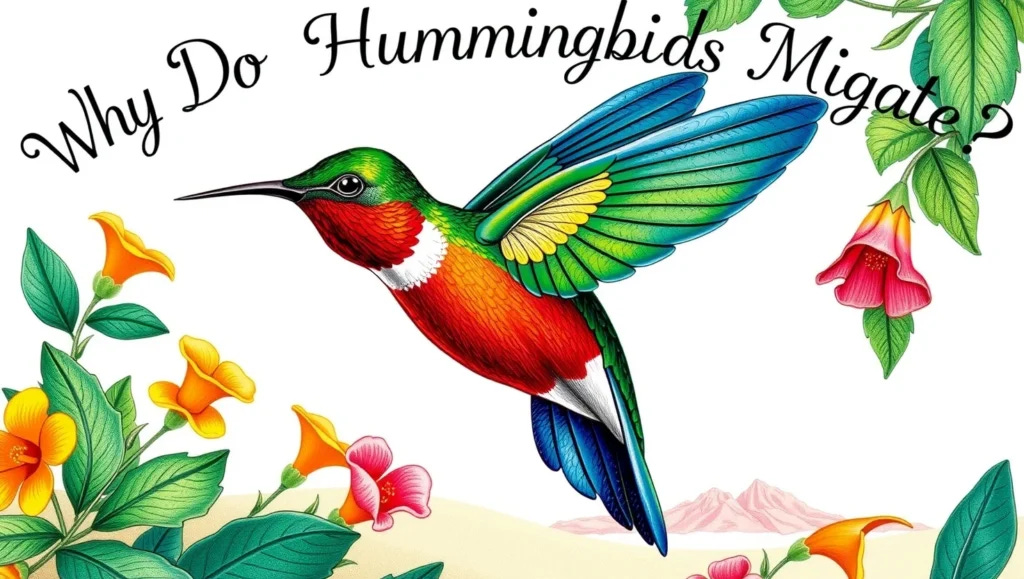
The migration south for our non-human friends has started. The hummingbirds are filling up at the feeders and preparing for their long journey. The Ruby-throated hummingbird can fly approximately 1,200 to 1,370 miles in a single journey, with an average daily travel of around 23 miles. Can you imagine being their size and weighing about the same as a penny, making that long journey?
This week was a big week for Monarch butterfly migration. The winds blew briskly from the north causing most of us to grab a sweater or jacket but giving the Monarchs a wonderful tailwind. Iowa is in the Central Flyway of the migration in both the spring and the fall. How lucky we are to be a part of this natural phenomenon. With our geographic location in the flyway comes a responsibility of caring for the land and the habitat that pollinators need to thrive.
At our farm there used to be hundreds of Monarchs at this time of the year. Our family would get out the butterfly nets, tags and the Monarch Watch Tagging Datasheet to document them as they flew through our part of the state. The report form is designed to capture the date, the number on the tag placed on the underside of the wing, whether the butterfly was male or female, if it was raised or was wild, location, state, zip code and if it was in the United States or Canada. The trick to netting a butterfly is to sneak up on it as it rests on a leaf or a flower. Trying to snag them mid-air hardly ever works – they are much faster than that net coming towards them. Monarch Migration


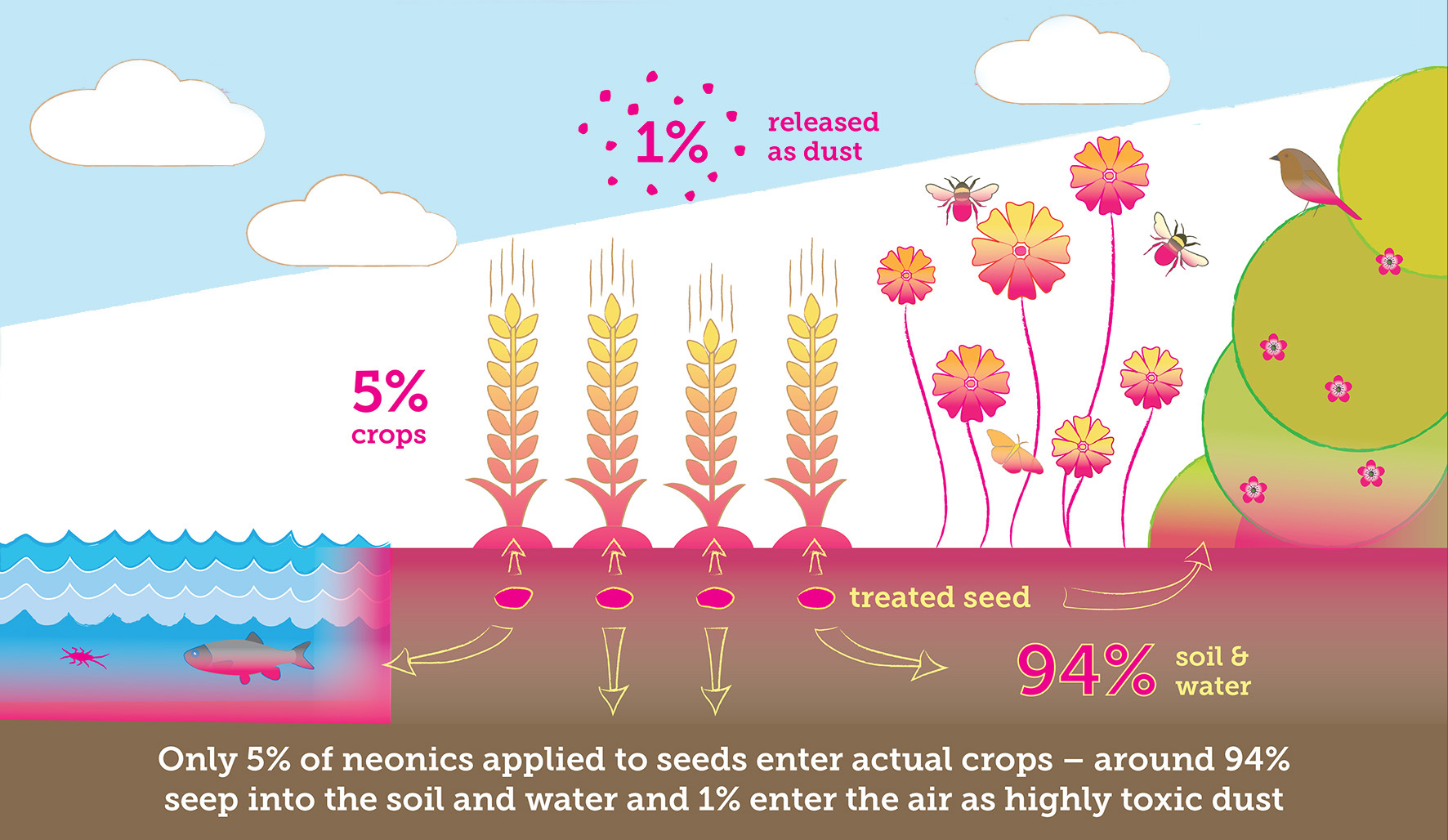
Alarms have been sounding about the decreasing number of pollinators of all species. Neonicotinoids (try saying that fast), a pesticide that is a common coating on the seeds we plant in our fields and in our gardens and has become a major problem. There is no way to identify if your seeds are treated because there is no federal requirement for labeling seeds that have been treated with Neonicotinoids.
Neonics, as they are referred to, are a class of neuro-active insecticides chemically similar to nicotine, developed by scientists at Shell and Bayer in the 1980s. Nicotine itself was used for centuries as an insecticide, until banned in the early 21st century. Neonicotinoids are among the widest-used insecticides in crop protection. They are also widely employed for veterinary purposes including tick and flea control. Wikipedia
Think about this as you watch and read about the falling numbers of pollinators, neonics, are a major cause. Think about this when you read about rising cancer rates and nitrates in our waters. The overuse of chemicals on our lands and in our air since WWII is causing great harm to all forms of life.
“Migration is the movement of people or animals from one place to another, often with the intention of settling in a new location. This can occur within a country or between countries and can be driven by various factors such as economic opportunities, environmental changes, or social reasons.” Wikipedia
Everyday we are bombarded with news of migration - human and non-human. How do we handle that news? Do we listen/watch the news and fret or do we try to do something? It does seem insignificant to try and fight the drag towards authoritarianism, but we must. Every time we write a letter/postcard, call the people who are supposed to be our voice at our state and national level, meet together to create an action plan, is an important step in protecting our democracy. It’s called Resistance.
Right now there is a crackdown on human immigrants in our country – men, women, children who were driven to migrate due to the factors aforementioned. There are now masked people on the streets in our communities who are using unnecessary force to capture individuals who may be innocent. The indiscriminate kidnapping reeks of a police state that is enveloping our country. There is a hotline and tip form to fill out to assist this disgusting bureaucracy.
There are many factors in migration when applied to humans and animals. Providing the right habitat for all to thrive is critical – natural habitat for all life forms and policy that makes immigration a part of national program that provides a path to becoming a citizen. Both are currently in jeopardy.
Thank you Denise. Very well said and very informative.
We are a migrating species, but what we have done to countries south of our border for nearly 200 years has been to enrich international corporations and impoverish them. No wonder they come. The ones I know would return home in a heartbeat if they could live in the places they love.